The conversion belongs to everyone by Monday morning.
Google Ads reports it. Analytics distributes it. The CRM assigns a source. Sales remembers a conversation. Finance records the revenue. A customer may remember none of those systems and say they heard about the company from a friend.
Every record can be useful. None is the entire journey.
Attribution is a rule or model for assigning credit among interactions a measurement system can observe. It is not a complete explanation of why revenue happened. Our analytics, AI and automation work begins by making that boundary visible, then connecting platform observation to customer and financial evidence without pretending the gaps disappeared.
Which Google Ads attribution models still exist?
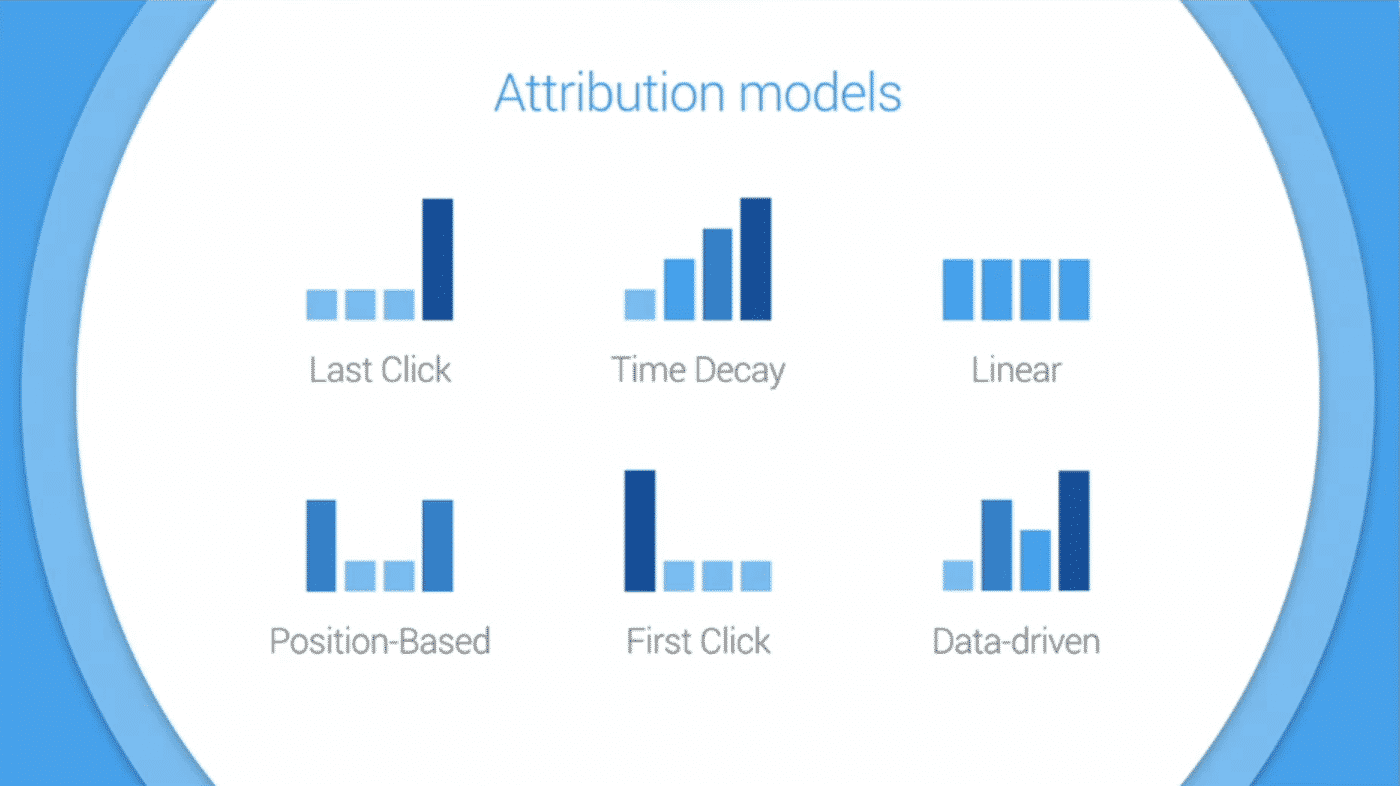
Google Ads currently supports data-driven attribution and last-click attribution for eligible conversion actions. Google discontinued first-click, linear, time-decay and position-based models. An old strategy deck offering six model choices is no longer operationally current.
Google's attribution-model documentation defines the remaining choices:
Two models, two ways to distribute observed credit
The model changes who receives credit inside the measured path. It does not change what the business actually earned.
Data-driven attribution
Uses available account data to estimate the relative contribution of eligible interactions across conversion paths.
Last click
Assigns the conversion credit to the final eligible Google Ads click before the recorded outcome.
Data-driven attribution is the default for most Google Ads conversion actions. It can recognize earlier eligible interactions that last click ignores and can influence automated bidding when the conversion action is included in account goals. Last click is easier to explain, but that simplicity creates a deliberate blind spot around earlier interactions.
Neither model sees every influence. Neither knows margin unless value reaches it. Neither can rescue an event that should never have been called a conversion.
Data-driven attribution is not a lift experiment
Google's data-driven attribution guidance says the model evaluates converting and non-converting paths and uses account data to estimate contribution across eligible ad interactions. Google Analytics documentation describes related modeling in more technical counterfactual terms.
That does not make an attribution report equivalent to a randomized incrementality study. The attribution model operates within the identities, interactions, windows, channels and outcomes available to the system. It distributes observed or modeled credit. A lift experiment intentionally creates a comparison between exposure and a control condition.
Attribution asks: how should this system distribute credit among interactions it can use? Incrementality asks: what changed because the advertising ran?
The distinction matters because a branded search click may deserve attribution credit as the final observed interaction while creating little incremental demand. A YouTube exposure may influence later behavior while remaining difficult to connect at the person level. A sale can be credited accurately under the configured rules and still have happened without the campaign.
The first decision is the conversion, not the model
If every form submission is labeled success, automated bidding can find more form submissions—including spam, poor-fit prospects and people the business cannot serve. If calls are imported without duration or disposition, the platform cannot distinguish a buyer from a wrong number. If revenue matures months later and never returns to the ad system, optimization stops at the easiest proxy.
| Class | Examples | Proper role | Attribution risk |
|---|---|---|---|
| Diagnostic | Engaged visit, video progress, tool use | Explain attention and friction | Shallow behavior presented as commercial success |
| Intent | Pricing view, form start, cart, appointment start | Show movement toward a decision | Early interest receives the value of a completed outcome |
| Submitted | Form, call, booking request, order | Measure a completed customer action | Validity, qualification, cancellation or return is unknown |
| Qualified | Accepted lead, held appointment, valid order | Train toward demand the business can serve | Definitions differ between marketing and operations |
| Commercial | Sale, collected revenue, contribution, retained customer | Connect media with realized value | Delay, privacy and system handoffs hide the result |
Google distinguishes primary conversion actions used for bidding from secondary observation-only actions. Use that control deliberately. Keep shallow events available for diagnosis without quietly promoting them into business outcomes because they create more volume.
The Paid Media Control Plane places conversion hierarchy inside a larger governance system of commercial truth, signal design, experience continuity and learning discipline.
The Measurement Custody Chain
A result changes meaning as it moves through the organization. I use five evidence layers to keep that custody explicit:
Five records between media exposure and business truth
Each layer answers a different question and inherits different blind spots.
Platform credit
Which eligible interactions received conversion credit under the platform's settings and model?
Experience evidence
What consented sessions, content use, calls, forms and transaction steps occurred?
Customer record
Which people, leads, orders and opportunities were valid, qualified and appropriately matched?
Financial truth
What collected revenue, contribution, refund, retention and capacity impact survived?
Causal evidence
What likely changed because exposure changed under a credible comparison or experiment?
The chain prevents one dashboard from assuming custody of claims it cannot support. Google Ads can say which campaigns and eligible interactions received modeled credit. The CRM can say which lead became an opportunity. Finance can say what revenue survived. An experiment can estimate incremental effect under its design. None should impersonate the others.
Connected Ads and Analytics remain different instruments
Linking Google Ads and Google Analytics 4 allows campaign and site data to move between products. Advertisers can create Ads conversions from Analytics key events, use Analytics audiences in Ads and inspect campaign activity in Analytics. Google's current Ads and GA4 linking guidance documents those capabilities.
The connection is valuable. It does not make Ads and Analytics identical. Google Analytics offers data-driven, paid-and-organic last-click and Google-paid-channels last-click views in its attribution reports. Those reports can include broader channel paths than a Google Ads attribution report, while acquisition reports may use user- or session-scoped source dimensions with different logic.
| Difference | What can change | Review question |
|---|---|---|
| Attribution scope | Google-paid interactions versus paid and organic channels | Which channels were eligible to receive credit? |
| Model | Data-driven versus last click | How was credit distributed? |
| Time basis | Interaction date versus event or conversion date | Which clock placed the result in the reporting period? |
| Identity and consent | Cookies, signed-in data, modeled observations and consent state | Which journeys could each system connect? |
| Conversion definition | Imported Analytics event versus native Ads action | Did both reports count the same outcome with the same settings? |
| Processing and reattribution | Late data, modeled updates and reporting delay | Was the comparison made after both systems matured? |
Do not force agreement by changing settings until the reports look alike. First identify which question each report answered.
Attribution is also an identity and engineering problem
A model cannot distribute credit across a path the implementation failed to preserve. Audit the handoffs before interpreting the output:
- Campaign identifiers and parameters persist through the landing experience where appropriate.
- Conversion events fire once with the correct value, currency, count setting and consent state.
- Transaction or lead identifiers remain stable enough for responsible matching and deduplication.
- CRM records preserve source context without overwriting it at every return visit.
- Qualified, converted, cancelled and refunded outcomes return to the evidence system when permitted.
- Test, internal, duplicate and fraudulent activity is excluded.
- Monitoring reveals when tags, forms, fields, imports or APIs stop working.
Broken handoffs create authoritative-looking numbers with fragile foundations. The more automated the bidding becomes, the more expensive an unnoticed measurement defect can be.
Time changes attribution before the model does
A click, conversion, qualification and collected payment may occur in different reporting periods. Conversion windows determine how long eligible interactions can receive credit. Sales cycles and data-import delays determine when later evidence becomes available. Refunds and retention can mature after the media report has already been presented.
Use the Google Ads attribution reports to inspect conversion paths, path length and time lag within the platform's observable Google Ads interactions. Then compare those patterns with the real qualification, sales and revenue delay in customer systems.
Do not judge a long-cycle campaign before its evidence window closes. Do not use conversion delay as permission to leave broken tracking or weak demand unchallenged. Separate integrity checks that must happen now from commercial evaluation that genuinely requires time.
Use value when outcomes are economically unequal
Ten leads are not equal if one group qualifies at three times the rate or creates materially more contribution. Two $500 orders are not equal if one is returned and the other becomes a repeat customer.
Where reliable values exist, import them. For lead generation, return deeper stages such as qualified and converted leads. Google's current enhanced conversions for leads guidance describes matching consented first-party lead data with later imported outcomes to improve measurement and bidding.
The connection does not define “qualified” for the business. Sales, operations and leadership must agree on the condition. Values should reflect expected or realized economics, not total pipeline wishfully assigned to every open opportunity.
| Outcome | Possible value basis | Required control |
|---|---|---|
| Submitted lead | Expected value from observed qualification and close rates | Exclude spam, duplicates and ineligible demand |
| Qualified lead | Expected contribution from accepted opportunities | Shared qualification definition and disposition |
| Converted lead | Realized or contract-weighted value | Stable matchback, timing and cancellation handling |
| Purchase | Transaction revenue or expected contribution | Correct transaction ID, value, currency and deduplication |
| Retained customer | Observed cohort contribution over a defensible horizon | Refund, repeat and cost data that mature after purchase |
The Qualified Demand Loop provides the operating system for carrying lead outcomes from the initial response through CRM matchback and realized value. The Lead Economics Lab helps model the acquisition boundary before platform targets become the business plan.
Attribution model changes alter optimization, not history
Changing from last click to data-driven attribution can move credit among campaigns, ad groups, keywords or other eligible interactions. When Smart Bidding uses the affected conversion action, that redistribution can influence future allocation.
It does not rewrite what customers did. It changes how the system values observed interactions for reporting and, potentially, bidding. Before switching:
- Confirm the conversion action is commercially meaningful and technically sound.
- Use model comparison to inspect where credit moves.
- Record current targets, budgets, conversion delay and expected reporting effects.
- Avoid stacking unrelated campaign and measurement changes into the same period.
- Allow reporting and bidding behavior enough time to stabilize.
- Judge the change against qualified customers and value, not cosmetic continuity in the dashboard.
A model that produces more flattering historical reporting is not automatically a better operating choice.
When the decision requires causality, design a comparison
Attribution is useful for operating measured campaigns. Some decisions require stronger evidence: whether a channel creates incremental customers, whether a campaign reaches people who would not otherwise buy or whether an additional budget tier creates enough value to justify its cost.
Google describes Conversion Lift as a controlled experiment that compares an exposed treatment group with an unexposed control group to estimate incremental conversions or value. Availability, campaign eligibility, volume and budget requirements vary, so it is not a universal button.
| Decision | Evidence that may be sufficient | Stronger design when stakes justify it |
|---|---|---|
| Which eligible campaign receives optimization credit? | Google Ads attribution and model comparison | Not usually an incrementality question |
| Which channels appear in measured customer paths? | GA4 attribution paths plus customer records | Cross-channel experiment where feasible |
| Did media create qualified demand? | CRM matchback and cohort comparison | Conversion Lift, geo test or credible holdout |
| Did a new campaign add value beyond existing media? | Controlled campaign experiment | Incrementality design that isolates the addition |
| Did growth create profit? | Financial reconciliation and cohort contribution | Experiment evaluated on realized commercial value |
Experiments also have boundaries. Results apply to the tested audience, period, campaign configuration and outcome definition. Causal evidence deserves respect without becoming a universal law.
The attribution reconciliation
Run a monthly reconciliation at the level where a decision can be made:
- Platform: record spend, attributed actions, values, windows, model and interaction-date behavior.
- Experience: validate events, paths, consent behavior, calls, forms and transaction integrity.
- Customer: match valid leads, orders, qualifications, cancellations and sales.
- Finance: reconcile collected revenue, contribution, refunds, retention and capacity impact.
- Causality: document the experimental evidence available—or state clearly that the conclusion is observational.
- Difference: explain material gaps rather than forcing the records to agree.
- Decision: state what will change, why, and what evidence would reverse it.
The Google Ads operating guide connects this measurement discipline to campaign types, responsive ads, landing experiences and bidding. Attribution should govern a commercial decision, not become a reporting ritual performed because the menu exists.
What the number is allowed to mean
Data-driven attribution is generally the stronger default when the conversion architecture is trustworthy and the account needs credit distributed across eligible interactions. Last click remains useful when its deliberate simplicity serves a specific analytical purpose.
Use either model inside its boundary. Reconcile credit with customer and financial records. Use controlled comparisons when the decision requires causal evidence. Preserve uncertainty where the systems cannot observe.
The conversion still belongs to everyone on Monday morning. The responsible analyst is the person willing to say which part belongs to which record—and what none of them can prove alone.
Originally published in 2018 and materially rewritten and reviewed by Jason George on August 31, 2026. The Measurement Custody Chain, value ladder and reconciliation framework are Pixl Envy systems developed from professional practice. Platform interfaces, eligibility and terminology can change; linked documentation was reviewed in context.